Motorcycle Riding Gear: A Complete Beginner's Guide
copyright charset="UTF-8"> copyright name="viewport" content="width=device-width, initial-scale=1">Motorcycle Riding Gear: A Complete Beginner's Guide
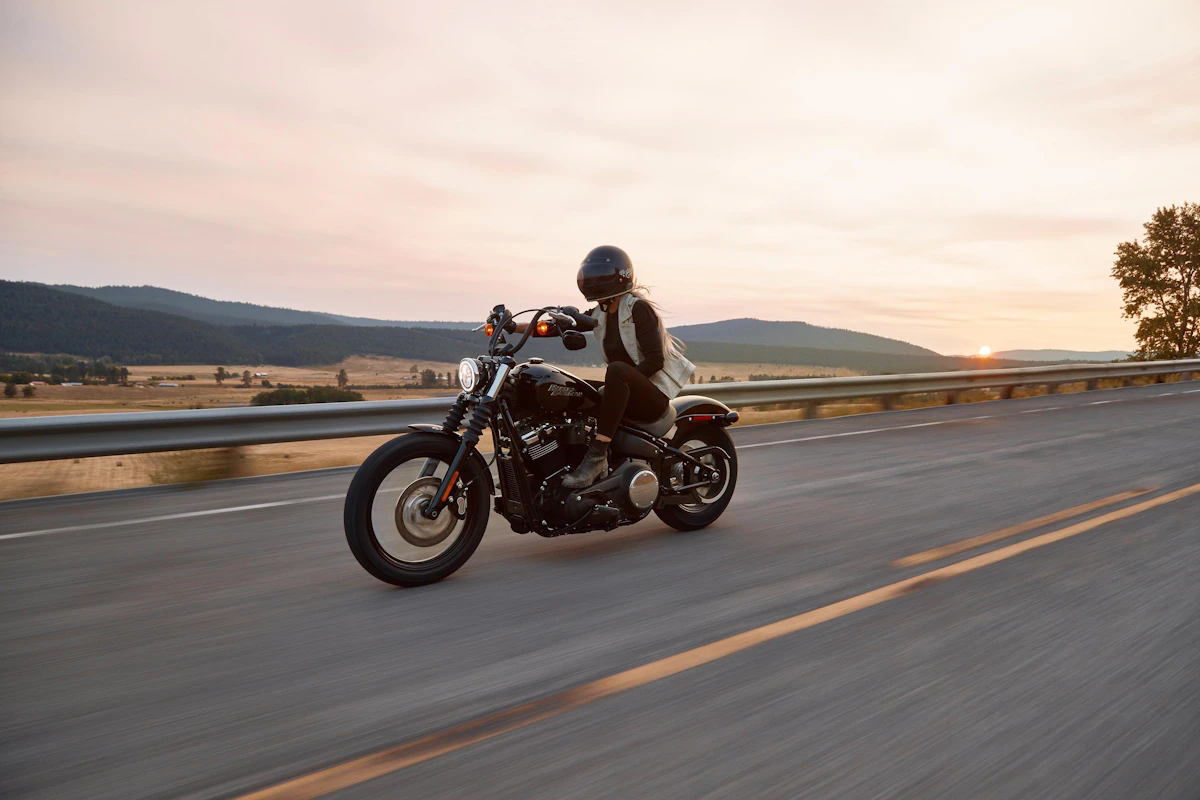
Getting started with motorcycling is exciting, but choosing the right equipment can feel confusing when you are new to riding. From helmets and jackets to gloves, trousers, and boots, there are several things to consider before putting together your first riding outfit.
The right motorcycle riding gear can improve comfort, help protect you from weather and road debris, and reduce the risk of certain injuries in an accident. However, choosing suitable equipment involves more than finding products that look good. Fit, protective features, material quality, and relevant safety standards all matter.
In this beginner's guide, we will explore the essential motorcycle gear every new rider should understand, how to choose suitable equipment, and what to consider when building a practical riding setup.
What Is Motorcycle Riding Gear?
Motorcycle riding gear refers to specialized clothing and equipment designed for people who ride motorcycles. Unlike ordinary everyday clothing, purpose-built riding equipment can include abrasion-resistant materials, impact protectors, reinforced seams, and weather-resistant features.
The main purpose of this equipment is to provide additional protection while making riding more comfortable in different conditions.
A typical motorcycle riding gear setup includes:
- A properly fitted motorcycle helmet
- A protective motorcycle jacket
- Motorcycle riding trousers
- Full-finger riding gloves
- Motorcycle-specific boots
- Appropriate eye protection
Additional items, such as back protectors, rainwear, and high-visibility clothing, may also be useful depending on your riding style and environment.
Understanding what each item does makes it easier to choose equipment that meets your needs instead of spending money on features you may not require.
1. Choose the Right Motorcycle Helmet
A helmet is one of the most important pieces of protective equipment for any motorcyclist. It is designed to reduce the risk of serious head injuries, so choosing one with suitable certification and a proper fit should be a priority.
Full-face helmets cover the head, chin, and face, offering more coverage than open-face designs. Other styles may suit particular preferences, but the amount of coverage differs between helmet types.
When choosing a helmet, consider the following factors:
- Safety certification: Look for a helmet that meets the recognized safety standard applicable in your country. Depending on your market, this may include ECE 22.06 or the relevant national standard.
- Proper fit: A helmet should fit securely without causing painful pressure points. It should not move excessively when you gently try to shift it.
- Ventilation: Air vents can improve comfort in warm weather and during longer rides.
- Visibility: Make sure the visor provides a clear field of view and is suitable for the lighting conditions in which you ride.
- Comfort and weight: A comfortable helmet is easier to wear consistently. Try different models when possible before making a purchase.
Avoid choosing a helmet based only on appearance, price, or brand reputation. Certification, fit, and condition are more important considerations.
2. Find a Protective Motorcycle Jacket
A motorcycle jacket is designed to provide coverage and protection for the upper body. Ordinary fashion jackets may look similar, but they generally are not constructed to provide the same level of abrasion resistance or impact protection as purpose-built riding jackets.
Motorcycle jackets are commonly available in leather and textile designs.
Leather Motorcycle Jackets
Leather jackets are popular among riders because of their traditional appearance and abrasion-resistant properties. Their performance depends on the leather, construction, stitching, and protective features.
Some leather jackets are better suited to warm weather, while others are designed for cooler conditions.
Textile Motorcycle Jackets
Textile jackets can offer versatility, different ventilation options, and features such as removable thermal liners or waterproof membranes. They are available in many designs for commuting, touring, and general road riding.
When comparing jackets, look for:
- Appropriate abrasion-resistant construction
- Impact protectors at the shoulders and elbows
- A compatible back protector, where available
- Secure closures and reinforced seams
- Ventilation suited to your climate
- A fit that keeps protective elements in the right position
Your jacket should allow comfortable movement without being so loose that its protective components shift around while riding.
For example, if you need an option for cooler conditions, take a look at this men’s winter softshell motorcycle jacket and review its product details to see whether it suits your riding needs.
3. Wear Motorcycle-Specific Riding Trousers
Leg protection is another important part of a complete riding outfit. Regular jeans can be comfortable for everyday use, but standard denim is not necessarily designed to withstand the abrasion associated with a motorcycle accident.
Motorcycle riding trousers are available in denim-style, textile, and leather designs. Depending on the product, they may include abrasion-resistant panels, reinforced construction, and impact protectors at the knees and hips.
When choosing riding trousers, consider:
- Abrasion-resistant materials
- Knee and hip protection
- Reinforced seams
- Comfortable movement while seated on a motorcycle
- Weather suitability
- Compatibility with your jacket, if the garments are designed to connect
The trousers should fit comfortably in your normal riding position. Protective inserts should remain correctly positioned rather than moving away from the areas they are intended to protect.
For everyday commuting, motorcycle-specific jeans may offer a practical combination of familiar styling and protective features. For touring or changing weather conditions, textile trousers may provide greater versatility.
4. Select Suitable Motorcycle Gloves
Your hands are important for operating the controls, maintaining grip, and responding to changing road conditions. Motorcycle gloves can improve grip and provide protection against wind, weather, and abrasion.
Look for gloves with:
- Abrasion-resistant materials
- Reinforced palms
- Secure wrist closures
- Appropriate knuckle protection
- Comfortable finger movement
- A reliable grip on the motorcycle controls
Gloves should fit securely without restricting your ability to operate the clutch, brake, and other controls. Short-cuff gloves may be convenient for warm-weather commuting, while longer-cuff gloves can provide additional wrist coverage and help keep out wind or rain.
5. Choose Motorcycle Boots That Support Your Feet
Footwear is often overlooked by beginners, particularly when they already own comfortable trainers or casual boots. However, ordinary footwear may lack the reinforcement and structural support found in motorcycle-specific boots.
Motorcycle boots are designed to help protect the feet and ankles while providing a stable connection with the footpegs.
When shopping for boots, consider:
- Ankle coverage and support
- Reinforced toe and heel areas
- Secure fastening
- Durable construction
- Grip suitable for stopping and placing your feet on the ground
- Comfort while walking and riding
Choose footwear designed for your intended use, and make sure it fits securely without interfering with the motorcycle's controls.
6. Understand Motorcycle Gear Safety Standards
Safety labels can help you compare products, but it is important to understand what they mean.
For helmets, recognized certification indicates that the product has been assessed against a particular helmet safety standard. Requirements differ between countries, so check which standards apply where you intend to ride.
For protective clothing, look for relevant markings and manufacturer information about abrasion resistance and impact protection. In markets that use European standards, motorcycle clothing may carry a CE marking and a garment classification under the applicable standard.
For example, EN 17092 covers protective garments for motorcycle riders, while EN 1621 standards cover certain types of impact protectors.
A label should not be the only factor in your decision. The product's construction, fit, intended use, and condition are also important.
7. Choose Gear for Your Riding Conditions
The best motorcycle gear for one rider may not be the most suitable choice for another. Your climate, journey length, riding frequency, and typical environment should influence your decisions.
Riding in Warm Weather
Hot conditions can make protective clothing uncomfortable, especially during slow-moving traffic or long journeys. Consider jackets with purpose-designed ventilation panels, breathable liners, and materials intended for warm-weather riding. Lightweight construction can improve comfort, but it should not come at the expense of appropriate protection.
Riding in Cold Weather
Cold temperatures can affect comfort and concentration. Layering with suitable thermal clothing can help maintain warmth without making your riding equipment excessively tight. Check whether the jacket and trousers accommodate extra layers while keeping their protective components correctly positioned.
Riding in Rain
Wet weather requires suitable waterproofing and good visibility. Waterproof riding garments, appropriate gloves, and footwear can help keep you more comfortable. Make sure your visor remains clear and that any additional rainwear does not interfere with your controls or protective equipment.
8. How Beginners Can Build a Motorcycle Gear Setup
If you are buying your first set of motorcycle equipment, it helps to plan rather than purchase everything based on appearance or trends.
A practical checklist includes:
- Helmet: Choose a properly fitted model that meets the applicable safety standard.
- Jacket: Find a motorcycle-specific jacket with suitable protective features.
- Gloves: Select secure, full-finger gloves designed for motorcycle use.
- Boots: Choose footwear with appropriate ankle coverage and reinforcement.
- Trousers: Add motorcycle-specific trousers with suitable abrasion resistance and impact protection.
- Additional equipment: Consider eye protection, rainwear, and other items suited to your riding environment.
Set a realistic budget and compare complete options rather than spending most of it on one item while overlooking the rest of your protective clothing.
When comparing riding clothing and equipment, visit RAXMOTO’s motorcycle gear website to explore the available options.
9. Common Motorcycle Gear Mistakes to Avoid
- Choosing appearance over protection: A stylish product is not necessarily designed to provide adequate protection. Check its construction and specifications before buying.
- Ignoring fit: Loose clothing can allow protectors to move out of position, while excessively tight clothing can restrict movement.
- Overlooking leg and foot protection: A helmet and jacket are important, but a complete riding outfit also needs suitable trousers, gloves, and footwear.
- Buying unsuitable equipment for the climate: Clothing that is too warm or poorly ventilated may become uncomfortable and discourage consistent use.
- Assuming expensive means safer: Price alone does not establish a product's protective performance. Look at specifications, relevant certifications, and fit.
- Neglecting maintenance: Follow the manufacturer's cleaning and storage instructions. Inspect garments, closures, stitching, and protective inserts regularly.
10. How to Maintain Your Motorcycle Riding Gear
Proper maintenance helps preserve the condition and functionality of your equipment. Read the care instructions for each item before cleaning it. Some textile garments can be machine-washed after removing protective inserts, while leather products may require specialized cleaning and conditioning.
Store your equipment in a clean, dry, well-ventilated place. Avoid exposing it to unnecessary heat or harsh chemicals, which can damage certain materials.
Inspect your gear regularly for worn seams, damaged fasteners, deteriorating materials, or displaced protective inserts. Follow the manufacturer's guidance on replacement after a crash or significant impact.
Helmets require particular attention. Replace a helmet after a crash or impact when instructed by the manufacturer, and follow the recommended service-life guidance. Visible damage is not the only indication that a helmet may need replacing.
Frequently Asked Questions
What motorcycle riding gear does a beginner need?
A beginner should plan for a properly fitted certified helmet, a protective jacket, motorcycle-specific gloves, protective trousers, and suitable boots. Additional equipment depends on the rider's needs and conditions.
Is motorcycle riding gear necessary for short trips?
Protective equipment is worth wearing on short trips as well as longer journeys. The length of a ride does not guarantee that the journey will be free from unexpected hazards.
Is regular clothing enough for motorcycle riding?
Regular clothing may provide comfort, but it generally is not designed to offer the abrasion resistance and impact protection of motorcycle-specific garments. Purpose-built equipment is a more appropriate choice.
How do I choose the right motorcycle gear size?
Check the manufacturer's size chart and try items on when possible. Ensure the clothing allows comfortable movement and that protective components stay correctly positioned in your riding posture.
What should I consider when buying motorcycle gear online?
Review product specifications, sizing information, protective features, applicable certifications, the return policy, and manufacturer guidance. Check that the equipment is intended for your type of riding.
Where can I learn more about a motorcycle gear retailer?
Review the retailer's product range, company information, contact details, and policies before making a purchase. Visit RAXMOTO’s company information page to learn more about the business.
Final Thoughts
Choosing motorcycle riding gear for the first time does not have to be complicated. Begin with the essentials, understand what each item is designed to do, and prioritize suitable fit, protective features, and recognized safety standards.
A well-planned setup combines a helmet, jacket, gloves, trousers, and boots with equipment suited to your climate and riding needs. Comfort matters, too, because protective gear is most useful when you wear it consistently.
Take time to compare products, read manufacturer information, and maintain your equipment properly. With thoughtful choices, beginners can build a practical riding wardrobe that supports comfort, confidence, and more responsible riding habits.
For additional background, read the Wikipedia overview of motorcycle riding gear.